
Fortifying Your Dwelling for the Autumn Transition
As the final week of August gives way to the opening days of September—spanning August 31 through September 4, 2026—homeowners face a critical seasonal window. Framed immediately by the approach of the Labor Day holiday weekend, this transitional period serves as an ideal checkpoint for residential property management. While summer brings its own distinct environmental stresses—such as severe convective storms, high winds, and intense UV exposure—the transition into autumn introduces entirely new risk factors that demand proactive attention and a thorough review of your homeowners insurance policy.
Assessing Seasonal Property Vulnerabilities
The shift from summer to autumn is a time of immense environmental change. Trees begin their slow cycle toward dormancy, shedding dry branches and, eventually, heavy blankets of foliage. For homeowners, this means that the immediate perimeter of the dwelling requires rigorous maintenance to prevent preventable property claims.
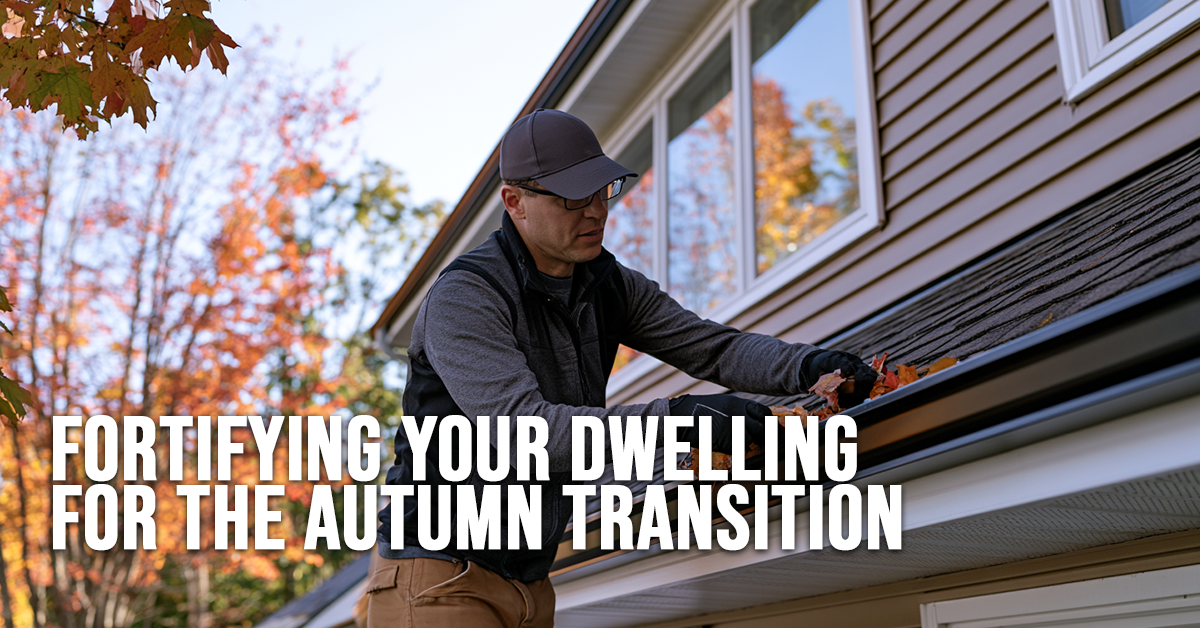
- Gutter and Drainage Management: Accumulated summer debris, from windblown twigs to dust and organic matter, frequently clogs drainage systems. Ensuring that gutters and downspouts are completely clear before autumnal rains and early freezes arrive prevents water from backing up beneath roof shingles or pooling against the foundation, mitigating the risk of costly interior water damage and basement flooding.
- Roof and Siding Inspections: High summer temperatures can warp or crack roofing materials and exterior caulking. Inspecting flashing around chimneys, skylights, and vent pipes before seasonal storms set in helps eliminate minor vulnerabilities before they escalate into major structural leaks.
- Perimeter Tree Maintenance: Overhanging branches that brushed lazily against roofs during summer storms can become heavy hazards when weighed down by early autumn winds or seasonal ice. Trimming back compromised limbs protects both your roof structure and overhead utility lines.
Reviewing Policy Limits in a Shifting Economic Landscape
Beyond physical maintenance, this early seasonal transition is the optimal time to review the financial framework protecting your home. Replacement cost valuations fluctuate due to shifts in construction material expenses and local labor rates. A policy that provided adequate coverage two or three years ago may leave a property dangerously underinsured today in the event of a total loss.
- Actual Cash Value vs. Replacement Cost: Ensure your policy is structured around guaranteed or extended replacement cost endorsements rather than actual cash value, which factors in depreciation and can leave significant financial gaps when rebuilding.
- Endorsements and Riders: Evaluate whether your current lifestyle or property additions require specialized endorsements. Home offices, high-value personal property, and specialized water backup riders often require explicit additions to a standard HO-3 or HO-5 policy to ensure seamless coverage.
By pairing physical property hardening with a meticulous financial policy review during the first weekly cycle, homeowners establish a resilient baseline that protects their most valuable asset against the uncertainties of the changing seasons.